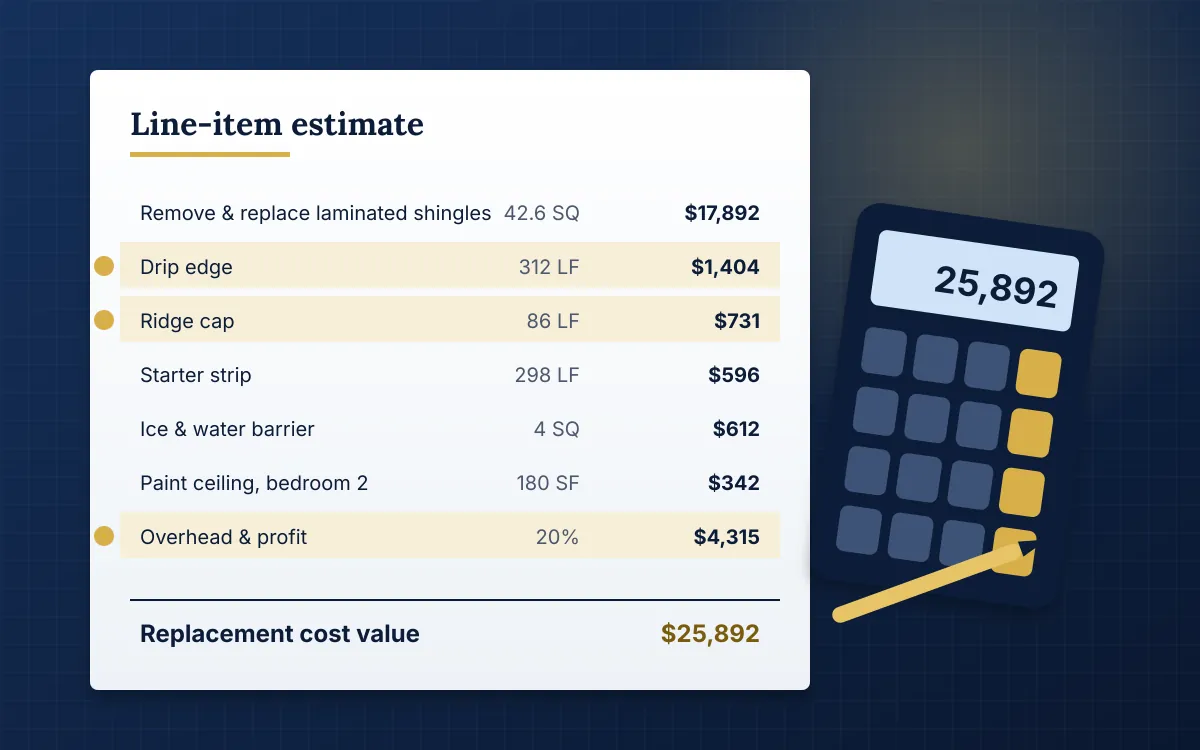
Many homeowners ask what happens after the home insurance adjuster comes out, because the inspection feels like the main event and then everything goes quiet. Behind the scenes, the adjuster is writing a report and estimate, the carrier is reviewing it, and a decision and payment are being prepared. Knowing the steps helps you spot problems early.
With 8 years adjusting claims, I can describe what happens after the home insurance adjuster comes out from the other side of the process. Here is the typical sequence on a Texas homeowners claim, along with what you should be doing at each stage.
The adjuster writes the report and estimate
After the inspection, the adjuster organizes photos, measurements and notes into a report. The estimate is written line by line, usually in Xactimate or similar software. For independent adjusters, the report goes to the carrier's examiner. For staff adjusters, it may be approved within their authority, or sent to a supervisor if larger.
On busy storm weeks, that review step is often where the delay sits, so a polite written check-in after about a week is entirely reasonable.
What you can do while the report is written
The days after the inspection are a good time to prepare. Collect a detailed contractor estimate, organize your photos by room and elevation, and write down anything the adjuster said about what would or would not be included. If the adjuster mentioned an engineer or a second inspection, ask when that will happen. Having your own documentation ready means you can respond quickly when the estimate arrives.
The carrier makes a coverage decision
The carrier decides whether the damage is covered, partially covered or excluded. Under Texas Insurance Code Chapter 542, once the insurer has received the items it requested, it generally must accept or reject the claim within 15 business days, with a possible 45-day extension if it notifies you of the reason.
You receive the estimate and a letter
You should receive a copy of the estimate and a letter explaining the decision. If you do not receive the estimate, ask for it. Read it carefully:
- What areas and items are included?
- What was left out?
- How much depreciation was applied?
- What deductible was subtracted?
- Is it replacement cost or actual cash value?
Common items to double-check
- All roof slopes, including garages, porches and patio covers.
- Gutters, downspouts, window screens and AC condenser fins.
- Fences, sheds and other structures.
- Interior rooms with ceiling or wall damage.
- Permit fees and code-required items.
- General contractor overhead and profit when multiple trades are needed.
Payment and how depreciation works
If the claim is accepted, payment generally must be made within 5 business days after the insurer notifies you of acceptance. On replacement cost policies, the first check is usually actual cash value: replacement cost minus depreciation and the deductible. After repairs are complete, you submit proof and recover the withheld depreciation. Many policies set a time limit for this, so check yours.
If you have a mortgage, the check will often be made out to you and your lender, and the lender may control disbursement.
When the check is made out to your mortgage company too
If your lender is named on the check, contact its loss-draft department early. Lenders often require a signed contractor agreement, a copy of the adjuster's estimate and a W-9 from the contractor before releasing funds, and they may pay in stages with inspections between draws. Knowing these requirements in advance keeps your repair schedule from stalling while a check sits in the lender's account.
What happens after the home insurance adjuster comes out if the estimate is wrong
If the estimate misses damage or underprices it, you have options:
- Respond in writing with photos and contractor estimates.
- Request a re-inspection.
- Ask for a supervisor review.
- Hire a public adjuster to prepare a complete estimate and negotiate.
- Invoke appraisal if the dispute is about the amount and your policy allows it.
See our guide on insurance adjuster lowball offers for a detailed walkthrough.
If the claim is denied
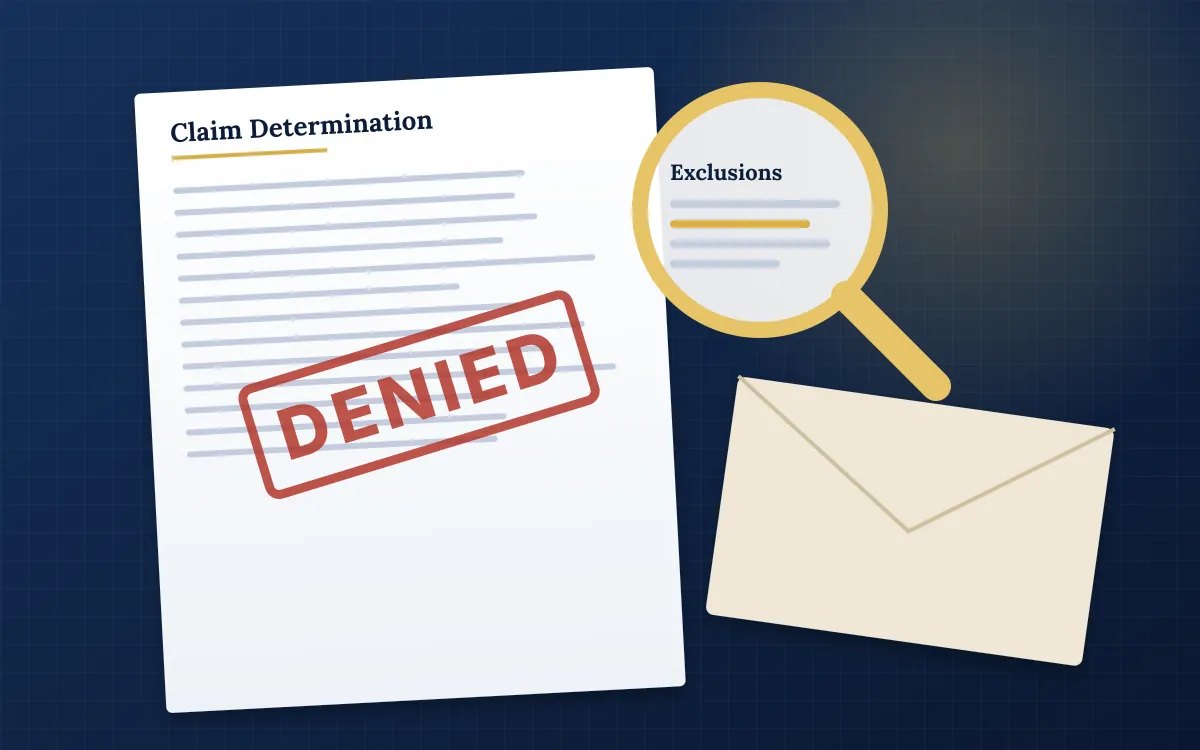
A denial letter must state the reasons. Read it carefully, compare it to your policy, and gather evidence that addresses the stated reason. Our denied claim review service can help assess whether the decision can be challenged.
Timing your repairs
Once you have the estimate and payment, schedule repairs. If your policy pays replacement cost, remember that recoverable depreciation is usually paid after the work is complete and documented, often with a final invoice. Ask your carrier exactly what it needs to release depreciation, and calendar any deadline your policy sets for completing repairs or claiming it.
Why denials deserve a second look
When I was adjusting claims, I saw denials based on limited information: a quick roof inspection, a guess about when a leak started, or a coverage provision applied without reading the endorsements. Some denials are correct. Others change when the carrier sees evidence it did not have the first time, such as storm date data, a leak detection report or photos of collateral damage.
Reading the estimate summary page
Most carrier estimates start with a summary page. Here is how to read it:
- Replacement cost value (RCV): what the carrier estimates it costs to repair or replace the damaged items with new materials.
- Depreciation: the reduction for age and condition. On replacement cost policies, much of this is usually recoverable later.
- Actual cash value (ACV): RCV minus depreciation.
- Deductible: subtracted from the payment. Plenty of Texas policies carry their own wind/hail deductible, frequently figured as a percent of the Coverage A dwelling amount.
- Prior payments: any advance or earlier payment already made.
- Net claim: the amount being paid now.
If the net claim is zero because the estimate is below your deductible, read the line items closely; missing items are often the reason.
A two-week checklist after the inspection
- Email the adjuster a thank-you note summarizing what was inspected and what was promised.
- Get at least one detailed contractor estimate.
- Gather receipts for emergency repairs and mitigation.
- Start a contents list if personal property was damaged.
- Track additional living expenses if you had to move out.
- Follow up if you have not received the estimate when promised.
Hidden damage found later
Sometimes contractors find more damage once work begins, such as rotted decking or wet insulation. Document it with photos before covering it up, notify the carrier, and submit a supplement. Learn more about supplemental claims.
Frequently asked questions
How soon after the inspection will I get the estimate?
Often within days to a few weeks, depending on workload. After major storms it can take longer. Follow up in writing if you have not received it.
Can I start repairs before I get paid?
You should do emergency repairs to prevent further damage. For permanent repairs, make sure the damage is fully documented and you understand what the carrier will pay before you begin.
What if my contractor's bid is much higher than the estimate?
Compare them line by line. Differences often come from missing items or pricing. Send the contractor's detailed estimate to the adjuster and request a review.
Have a claim that does not add up? Get a no-cost review from a licensed public adjuster with 8 years adjusting claims.