A denied insurance claim is not always the end of the road. Denials are decisions made by people working under deadlines and guidelines, and they are based on whatever evidence was gathered during a sometimes brief inspection. When the evidence was incomplete or the policy was read too narrowly, the decision can often be revisited.
Joseph Dittman spent 8 years adjusting claims, so he has seen how denial letters are written and what evidence supports them. When we review a denied insurance claim, we compare the stated reason against the policy wording and the physical evidence, then tell you honestly whether there is a path forward.
The most common denied insurance claim reasons we see
- Wear and tear or age: the carrier says the roof or pipe failed from age, not a covered event.
- Prior damage: hail marks are blamed on an older storm, sometimes before you owned the house.
- Cosmetic damage exclusion: some policies, especially on metal roofs, exclude dents that do not affect function.
- Long-term leak or seepage: water damage is classified as continuous or repeated over weeks, which many policies exclude.
- Below deductible: the estimate came in under the deductible, so nothing was paid.
- Late notice: the carrier says it was prejudiced by the delay in reporting.
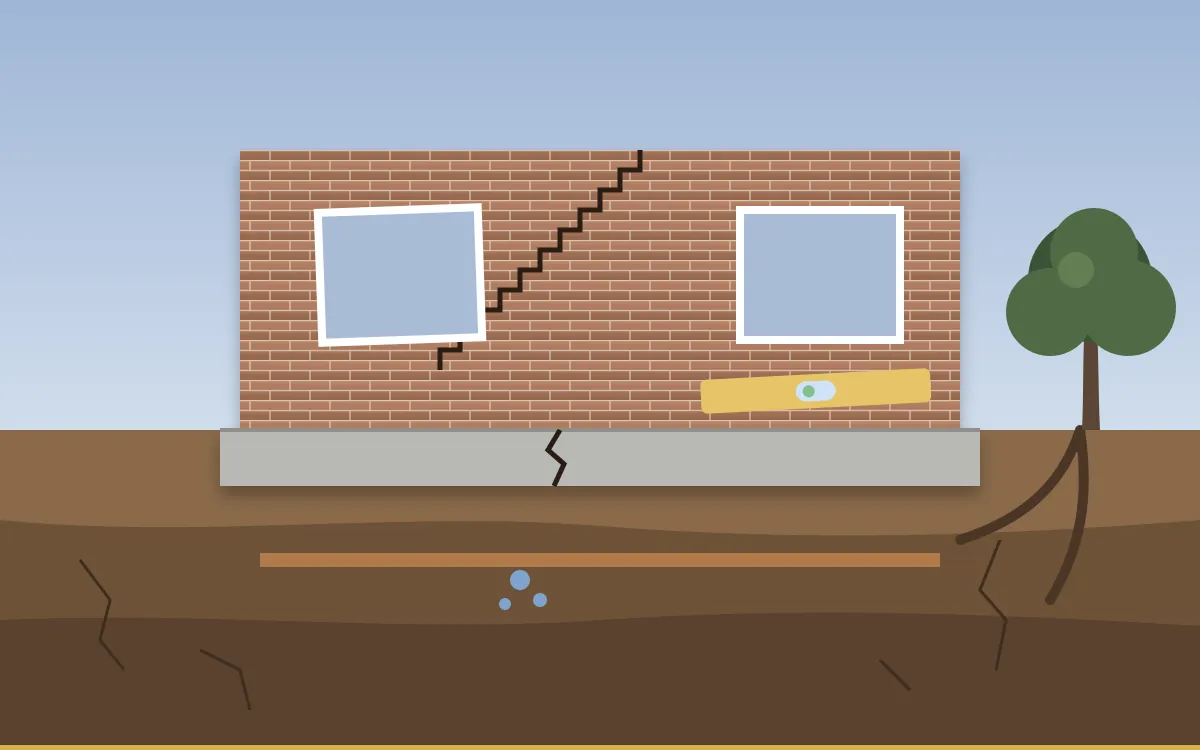
- Foundation and earth movement: often excluded, though resulting water damage or a plumbing leak may be covered.
What we do in a denial review
- Read the denial letter and identify the exact policy provisions cited.
- Read the full policy, including endorsements that may change the exclusion.
- Inspect the property and look for evidence the carrier missed: storm date data, collateral damage to soft metals, the pattern of damage, moisture mapping.
- Request the carrier's claim documents and photos where appropriate.
- Prepare a written response with evidence asking the carrier to reconsider.
Texas rules that apply
Under Texas Insurance Code Chapter 542, once an insurer has the items it requested, it generally must accept or reject the claim within 15 business days, and a rejection must state the reasons. If the carrier needs more time, it must tell you why, and it then generally has up to 45 additional days. You can also file a complaint with the Texas Department of Insurance if you believe a claim was handled improperly.
When a denial raises bad-faith or coverage litigation questions, we will recommend that you talk to a Texas attorney. We are public adjusters, not lawyers.
Insurance claim denied? What to do in the first 30 days
If your insurance claim denied letter just arrived, start by saving it with the envelope, then ask the carrier in writing for the full claim file, photos and any engineer or contractor report it relied on. Do not throw away damaged materials, keep making reasonable temporary repairs, and write down every call. Then have the letter, policy and evidence reviewed before any deadline runs. If the issue is the amount rather than coverage, insurance appraisal may be the faster path; if the damage was missed, a supplemental insurance claim may fit better.
Frequently asked questions
How long do I have to dispute a denied claim?
It depends on your policy and Texas law. Many property policies set a contractual period, often around two years, to file suit. Do not wait; get the denial reviewed promptly and talk to an attorney if a deadline is near.
Can a public adjuster overturn a denial?
No one can promise that. What we can do is find and present evidence and policy language that support coverage and ask the carrier to reconsider. Some denials are reversed; some are correct.
My insurance claim was denied. Should I re-file?
Usually you ask the insurer to reconsider the same claim with new evidence rather than open a new one. Have the denial letter reviewed first so the response addresses the exact policy language the carrier cited.
Have a claim that does not add up? Get a no-cost review from a licensed public adjuster with 8 years adjusting claims.