An insurance adjuster not responding to your calls or emails is more than an annoyance. While you wait, damage can worsen, contractors move on to other jobs, and deadlines keep running. The good news is that Texas law gives insurers specific deadlines, and you have several ways to get your claim moving again.
From my time as an insurance adjuster, I know why an insurance adjuster not responding is so common after big storms: caseloads explode, adjusters are reassigned, and voicemails pile up. That explains the delay, but it does not excuse it. Here is a step-by-step approach to getting answers.
Why adjusters go quiet
- Catastrophe caseloads: after major hail or wind events, a single adjuster may carry well over a hundred claims.
- Reassignment: your claim may have been moved to a new adjuster without anyone telling you.
- Waiting on others: engineers, examiners or supervisors may be holding up the decision.
- Missing documents: the adjuster may be waiting on something from you and assume you know.
What the silence usually means on the insurer's end
When I carried catastrophe caseloads, the files that went quiet were usually waiting on something: an engineer report, an examiner's approval above my authority, or a document I had requested and not yet received. Sometimes I had simply been reassigned to a new storm and the file was waiting for a new adjuster. A specific written question such as “What are you waiting on to finalize the estimate?” is often the fastest way to find out which of those is holding your claim.
Step one: follow up in writing
Send a short, polite email to the adjuster: your claim number, the date of your last contact, what you are waiting for, and a request for an update by a specific date. Written follow-up creates a record and is easier for a busy adjuster to answer than voicemail.
Step two: call the claims line
Call the carrier's main claims number and ask who is assigned to your claim and whether anything is outstanding. Ask for the name of the supervisor or examiner on the file. Note the date, time and name of the person you spoke with.
Step three: escalate past an insurance adjuster not responding
If you still get no response, email the supervisor or claims manager. Lay out the timeline of your attempts to reach the adjuster and ask for a response or reassignment. Read our article on whether you can fire your insurance adjuster for more on requesting a new one.
What to include when you escalate
- Your claim number and date of loss.
- A short timeline: report date, inspection date, and each unanswered call or email.
- What you are waiting for: an estimate, a decision, a payment.
- What you are asking for: a response by a date, reassignment, or a supervisor review.
Keep it to one page. Supervisors read many of these, and a short factual summary gets attention faster than a long narrative.
Step four: know the Texas deadlines
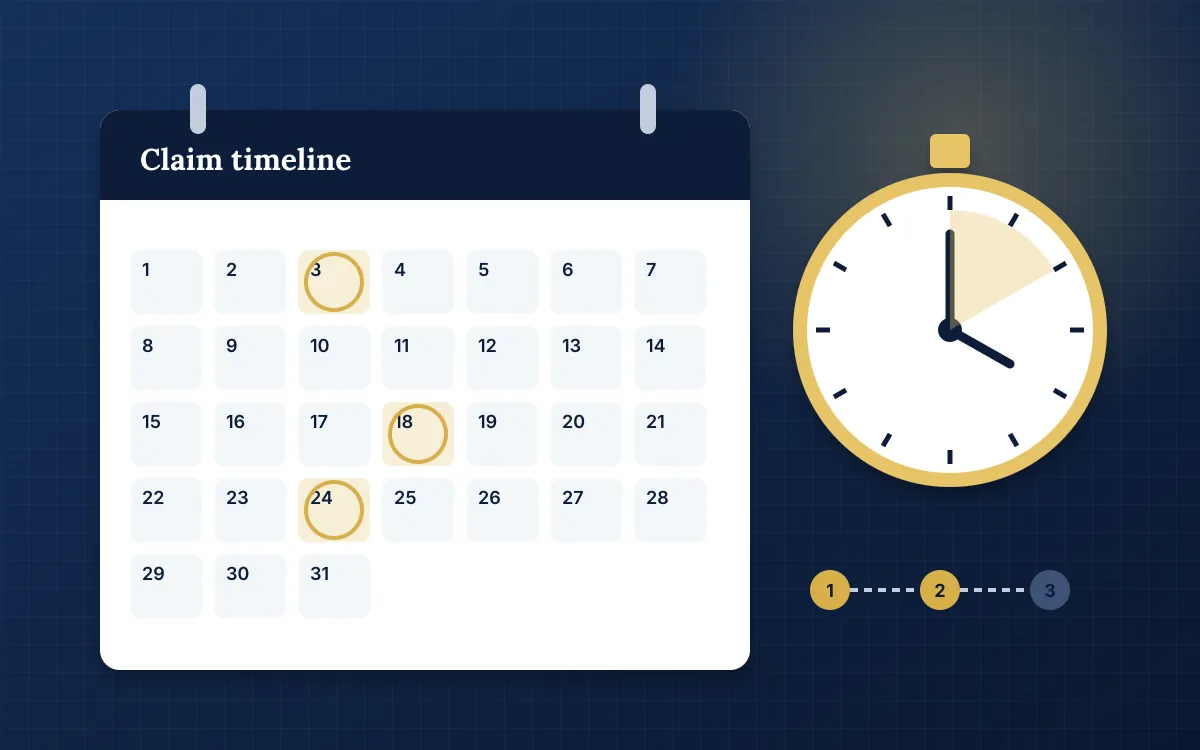
Texas Insurance Code Chapter 542 generally requires the insurer to acknowledge the claim and start its investigation within 15 days of notice, decide within 15 business days after receiving requested items (with a possible 45-day extension if it tells you why), and pay within 5 business days after accepting. Deadlines can be extended after declared weather catastrophes. If deadlines have passed, mention them in your follow-up. For more detail see how long an insurance adjuster has to act in Texas.
When silence follows a storm
After a big North Texas hail event, it is common for policyholders to go weeks without hearing from an adjuster. That does not mean your claim is forgotten, but it does mean you need to stay on it. Check your online claim portal if the carrier has one, since updates and documents sometimes appear there before anyone calls. Make sure your contact information on the claim is correct. And keep documenting your property, because a second storm before the first claim is adjusted can make the cause of damage harder to separate.
Step five: file a complaint with TDI
If the delay continues, you can file a complaint with the Texas Department of Insurance online at tdi.texas.gov. TDI forwards the complaint to the insurer and requires a response. Include your claim number, timeline and copies of your follow-up messages.
Keeping a claim log
A claim log does not need to be fancy. A simple spreadsheet or notebook with columns for date, person, method (call, email, letter), what was discussed and what was promised is enough. Add when you sent documents and what they were. If the claim becomes a dispute, this log shows the pattern clearly and saves you from trying to reconstruct weeks of calls from memory.
Meanwhile, protect your property and your claim
- Make reasonable emergency repairs to prevent further damage, and keep receipts.
- Keep documenting the damage with dated photos.
- Keep your claim log current.
- Get contractor estimates so you are ready when the adjuster does respond.
A follow-up email template
You can adapt this short message for your own claim:
Re: Claim #12345, date of loss May 3
I have not received a response to my voicemails of June 2 and June 9 or my email of June 5. The last update I received was on May 28, when you said the estimate would be sent within a week. Please let me know the status of the estimate and whether you need anything further from me. I would appreciate a reply by June 16.
Short, specific and dated. If no one responds by the date you gave, you have a clear record to forward to a supervisor or attach to a TDI complaint.
Mitigation costs are part of the claim
If you hire a water mitigation company, a tarping crew or a board-up service while waiting, keep the contracts, invoices, moisture logs and photos. These emergency costs are usually covered when the underlying damage is covered, and carriers expect you to take reasonable steps to prevent further damage. Waiting for the adjuster before drying out a wet house can lead to mold and a weaker claim.
When to hire help
If the silence continues or the claim is large, a public adjuster can take over communication and keep pressure on the carrier. A Texas attorney may be appropriate if you believe the delay amounts to bad faith. Learn about our public adjuster services.
Frequently asked questions
How long should I wait before following up?
If you have not heard anything within a week of a promised update, or within 15 days of reporting the claim, follow up in writing.
Will a TDI complaint hurt my claim?
It should not. Insurers are required to respond to TDI complaints, and filing one is your right.
Can a public adjuster speed up my claim?
We cannot control the insurer's internal process, but we stay on top of follow-up, deadlines and document requests, which often helps a stalled claim move.
Have a claim that does not add up? Get a no-cost review from a licensed public adjuster with 8 years adjusting claims.