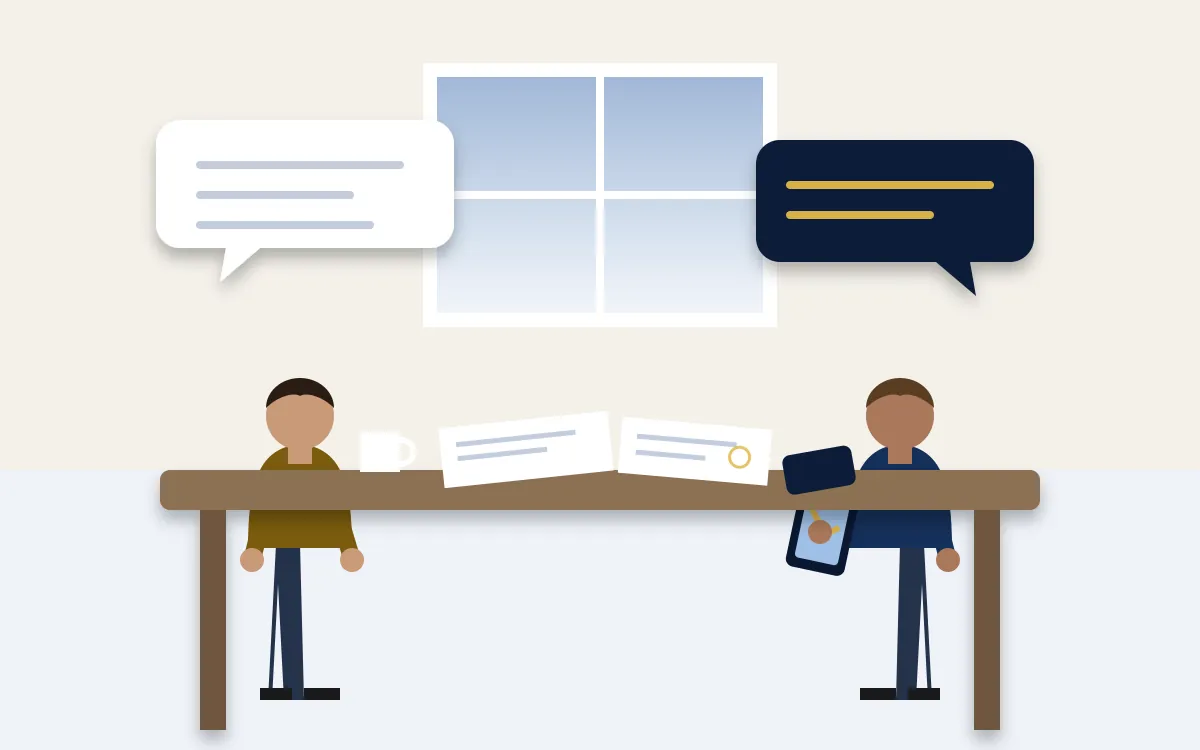
Knowing how to talk to an insurance adjuster can shape your claim as much as the damage itself. The adjuster forms an impression from the first call, records what you say in the claim notes, and builds the estimate around what you show and tell. Clear, accurate, organized communication helps your claim. Guessing, exaggerating or rambling can hurt it.
With 8 years adjusting claims, I read thousands of claim notes, and the way policyholders communicated often influenced how smoothly things went. Here is how to talk to an insurance adjuster in a way that is honest, protects your interests and keeps the claim moving, whether your loss is a hail-damaged roof, a burst pipe or a fire.
Before the first call: get organized
Gather the basics before you speak with the adjuster:
- Your policy number and claim number.
- The date of loss, or your best estimate, and what happened.
- Photos and videos of the damage, ideally taken before any cleanup.
- Receipts for emergency repairs such as tarps, water extraction or board-up.
- A list of every damaged area you have noticed, inside and out.
Write down your questions too. People often forget to ask about living expenses, contents or how depreciation works until after the call ends.
How to talk to an insurance adjuster on the first call
Stick to facts you know. Describe what you saw, when you noticed it, and what you have done to prevent further damage. If you do not know something, such as exactly when a leak started, say so rather than guess. A guess like “it has probably been leaking for a while” can be read as long-term seepage, which many policies exclude.
Ask the adjuster to explain next steps: when the inspection will happen, what documents they need, and how to reach them. Confirm their email address so you can follow up in writing.
During the inspection
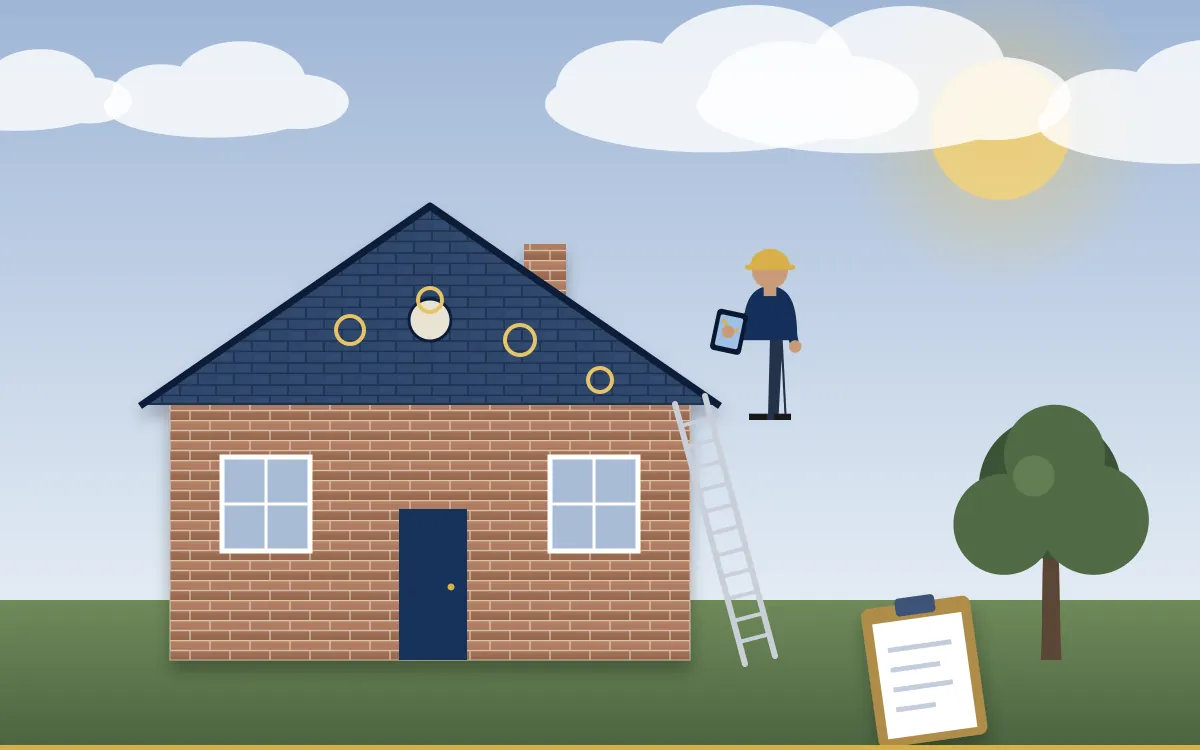
Be present if at all possible. Walk the adjuster around the property and point out each area of damage on your list. Do not assume they will find everything on their own; on a busy storm day they may have limited time.
- Show them interior damage, such as ceiling stains, cracked drywall or water spots, even if it seems minor.
- Point out damage to fences, sheds, gutters, AC units and windows, not just the roof.
- Ask what they found and whether they recommend repair or replacement.
- Ask whether anything needs further investigation, such as an engineer or leak detection.
Stay polite and calm, even if you disagree. Adjusters are people, and a cooperative policyholder tends to get a more thorough inspection.
Put everything in writing
After every phone call or meeting, send a short email summarizing what was discussed: “Thanks for meeting me today. As discussed, you inspected the roof and back fence and will send the estimate by next Friday.” This creates a record and gives the adjuster a chance to correct any misunderstanding.
Keep a claim log with dates, names, what was said and what was promised. If the claim goes to a dispute, appraisal or a Texas Department of Insurance complaint, that log will be valuable.
Discussing the estimate
When you receive the estimate, read every line. Compare it to contractor bids and your own list of damage. If items are missing or quantities look wrong, respond in writing with specifics: “The estimate includes the front and left slopes, but the rear slope also has hail damage. Photos attached.” Specific, documented requests are far more effective than “this is too low.”
If the gap is large, ask for a re-inspection, ideally with your contractor or a public adjuster present. Learn more in our guide on what to do when an insurance adjuster lowballs your claim.
Things to avoid
- Do not exaggerate. Overstating damage can undermine your credibility and, in extreme cases, raise fraud questions.
- Do not speculate about causes or timing you do not know.
- Do not sign releases or final settlement documents without understanding them.
- Do not throw away damaged items until they are documented, unless required for safety or health.
- Do not feel pressured to accept an offer on the spot.
More detail is in our article on what not to say to an insurance adjuster.
How adjusters read your tone
Adjusters are human, and they handle dozens of files at once. When I was adjusting claims, policyholders who were organized and courteous generally got quicker callbacks and more careful re-inspections, not because adjusters played favorites, but because a well-documented file is easier to move forward. Being firm and factual is completely compatible with being polite.
A simple script for the first call
If you are nervous about the first conversation, it can help to have a short outline in front of you:
- Confirm the claim number and the adjuster's direct contact information.
- Describe what happened in two or three sentences: “On April 28 a hail storm passed through. The next morning I found shingle granules in the gutters and a ceiling stain in the upstairs bedroom.”
- List what you have done: tarped the roof, moved furniture, called a water mitigation company.
- Ask what the adjuster needs from you and by when.
- Ask when the inspection will be and how long it will take.
- Ask whether your policy includes additional living expense if you cannot stay in the home.
Then send a follow-up email that repeats the key points. That is all the first call needs to accomplish.
Talking money without arguing
When the conversation turns to numbers, keep it about line items rather than totals. “Your estimate has 18 squares of roofing and my measurement report shows 27” is a conversation the adjuster can act on. “Your estimate is way too low” is not. If the adjuster says something is not covered, ask which policy provision applies and request that explanation in writing. That turns a disagreement into a document you can respond to, or have a public adjuster or attorney review.
When to bring in help
If the claim is large, complex, denied or stuck, you may want someone else to do the talking. A licensed public adjuster communicates with the carrier on your behalf, builds the estimate, and handles negotiations. If the dispute involves bad faith or litigation, talk to a Texas attorney. Our public adjuster services page explains how we work.
Frequently asked questions
Should I record calls with my insurance adjuster?
Texas is a one-party consent state for recording phone calls, but it is good practice and courteous to tell the adjuster you are recording. Many people find written follow-up emails simpler and just as useful.
Do I have to give a recorded statement?
Policies usually require cooperation with the investigation, which can include statements. If a carrier requests a recorded statement or an examination under oath on a complex claim, consider talking to an attorney first.
Can a public adjuster talk to the insurance adjuster for me?
Yes. Once you sign a contract with a licensed public adjuster, they communicate with the carrier on your behalf, though you remain the insured and still make the final decisions.
Have a claim that does not add up? Get a no-cost review from a licensed public adjuster with 8 years adjusting claims.